 seolounge


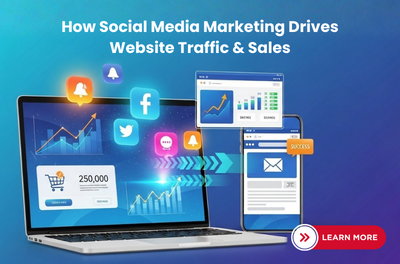
Social media marketing didn’t suddenly become important because of algorithms or trends. It became important because people stopped discovering things the old way. Fewer people type website names directly anymore. They arrive after seeing something, usually without planning to.That “something” is often a post, a video, or a comment that caught their attention for a moment. That moment is short, but it’s enough to move someone from scrolling to clicking.
Social media is usually the first step, not the final one
Most people don’t buy straight away. They look around first. They scroll. They forget. They come back. Social media fits into that behaviour naturally. A post doesn’t need to sell. It just needs to make someone curious enough to leave the app. Once they do, the website takes over. That’s where the real work happens.
Traffic doesn’t come from effort alone
Posting every day doesn’t guarantee anything. Many accounts post regularly and still struggle with website traffic growth. The difference usually isn’t frequency. It’s relevance.People click when something feels useful, familiar, or timely. A post that answers a real question works better than one that looks perfect but says nothing new.
Facebook marketing still works quietly
Facebook marketing doesn’t feel exciting anymore, but it’s still effective. People use Facebook without thinking much about it. That’s exactly why links work there.Someone sees a post, clicks out of mild interest, and suddenly they’re on a website. No pressure. No urgency. Just curiosity doing its job.
Instagram marketing is about interest, not explanation
Instagram marketing doesn’t explain much. It shows. A reel, a photo, or a short caption creates a gap. That gap is what sends people to the website.If the website fills that gap properly, users stay. If it doesn’t, they leave quickly. The problem isn’t Instagram. It’s a mismatch.
LinkedIn marketing brings different visitors
LinkedIn marketing sends people who are already thinking. They’re not browsing randomly. They’re usually looking for ideas, services, or solutions. Because of that, website visits from LinkedIn often behave differently. These users read more. They scroll slower. They notice details. Landing page optimization matters more here than design trends.
YouTube marketing works in the background
YouTube marketing doesn’t rush results. Videos stay visible for months. Sometimes years. A single video can send traffic long after it’s forgotten by the creator.People who click through from YouTube usually know why they’re clicking. That intent helps with conversion rate optimization without forcing anything.
Clicks don’t mean sales automatically
This is where expectations break. More traffic doesn’t always mean more sales. Sometimes traffic increases and conversions stay flat.That usually points to the website. Confusing layout. Slow loading. Too much text. Or not enough. Social media can’t fix that.
Landing pages matter more than posts
Landing page optimization doesn’t need clever tricks. It needs clarity. One message. One action.If a social post talks about a solution, the landing page should continue that exact conversation. When it changes direction, people lose interest.
Conversion rate optimisation is mostly about comfort
People don’t convert when they feel unsure. They convert when things feel easy. Clear buttons, simple language, obvious next steps.Conversion rate optimization removes hesitation. It doesn’t push people. It just makes decisions simpler.
Platforms don’t work alone
Someone might see a brand on Instagram, notice it again on Facebook, then finally click from LinkedIn. That’s normal.Social media marketing works as repetition, not persuasion. Familiarity does more than aggressive selling ever will.
Consistency matters more than creativity
Creative posts help, but consistency builds recognition. When people see similar messaging across platforms, the website feels familiar before they even visit it.That familiarity reduces friction. And friction is usually what stops sales.
Measuring traffic honestly
Not all website traffic is valuable. Some visitors leave immediately. Others stay, explore, and return.Looking at where engaged visitors come from helps shape better social media decisions over time. Chasing numbers alone rarely helps.
How Lakhtech Solutions looks at social media marketing
Lakhtech Solutions doesn’t treat social media as a separate activity. It’s connected to the website from the start.The focus stays on how Facebook marketing, Instagram marketing, LinkedIn marketing, and YouTube marketing support real website behaviour, not just visibility.
Social media supports decisions, it doesn’t force them
Most purchases happen after trust builds. Social media helps build that trust slowly.When users finally reach the website, they already feel comfortable. That’s when sales feel natural instead of forced.
Platforms change all the time. Formats change. Algorithms change. But people still respond to clarity, relevance, and honesty.Another thing that often gets overlooked is how mood affects behaviour online. People scroll when they’re bored, tired, or waiting for something. Social media fits into those moments, which is why it works as a bridge rather than a destination. A website visit that comes from social media usually happens without planning. That doesn’t make it weak traffic. It just means the website has a short window to feel welcoming instead of demanding.As long as social media respects that, website traffic growth and sales follow in their own time.
Final thought
Social media marketing works best when it feels human. Not clever. Not perfect. Just useful.It’s also worth saying that not every post needs to perform. Some posts simply remind people that a brand exists. That reminder matters more than it seems. When the time comes to search, click, or buy, familiarity plays a quiet role. Social media marketing often plants the idea long before the action happens, and the website benefits later, sometimes without a clear traWhen platforms guide people gently towards clear, well-prepared websites, traffic grows without pressure and sales happen without noise.