 seolounge



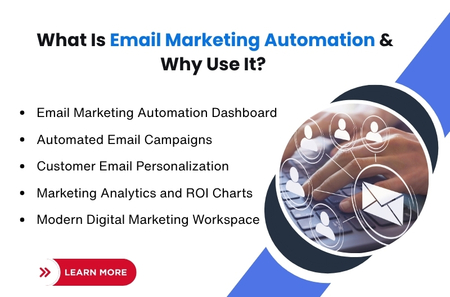
There’s a moment most marketing managers will recognize. You’ve spent three days building a campaign, you hit send and the open rate comes back at 18%, which looks fine until you check which segment actually received it. It went to people who bought the product last week. Nobody caught it. The list wasn’t filtered. The timing was off by a week. That’s not really a strategy problem. That’s a process problem, and it’s the kind of thing that email marketing automation is built to prevent.
What Automation Actually Does to the Workload
Automation in this context isn’t about volume. It’s not about sending more. It’s about removing the manual decision layer, who gets what, when, so the message arrives at a point where it’s actually relevant to the person receiving it.
When someone signs up, a welcome sequence starts. When they haven’t opened anything in 90 days, a re-engagement email goes out. When they click a product link repeatedly without buying, a follow-up arrives with a slightly different angle. None of this needs someone sitting at a desk making individual calls. The logic runs on its own, based on what the subscriber has already done.
Teams that were spending the bulk of their time on manual campaign execution, building lists, scheduling sends, and checking segments start spending that time on whether the automation logic is actually working and what the emails inside it should say. The work changes shape, not necessarily volume.
The Benefits Worth Actually Paying Attention To
Consistency that doesn’t depend on someone remembering
A customer who signs up on a Sunday evening gets the same experience as one who signs up on a Tuesday morning. No one has to be available. The sequence runs regardless. For businesses operating across India and the UK, where time zones, regional campaigns, and two entirely different sets of public holidays all stack on top of each other, this matters more than it might seem at first.
Segmentation based on behaviour, not just a spreadsheet column
Most email marketing automation tools let you build logic around what subscribers actually do rather than just who they are on paper. Someone who clicks your pricing page three times gets a different follow-up than someone who downloaded a whitepaper and hasn’t been back since. That’s not personalisation in the vague sense the word usually gets used to,it’s sending something that matches what the person has already signalled they’re interested in.
Revenue that doesn’t require constant attention
Abandoned cart emails are the most cited example, and they work well enough that the citation is warranted. But the same principle extends to post-purchase sequences, upsell triggers tied to a specific product purchase, and subscription renewal reminders timed to the actual end date rather than a batch send. Once the logic is built and tested, it runs. Not without problems, but reliably enough that it compounds over time.
Data that shows where things are actually breaking
When sequences are automated, you can see exactly where people stop engaging. Which email in a five-step welcome series loses 40% of readers? Is it the subject line, the gap between sends, or something in the content itself? Automation makes that visible in a way that irregular manual campaigns rarely do. You get clean enough data to act on.
Use Cases That Come Up Repeatedly
Onboarding new customers or users
For SaaS businesses or service firms, the first couple of weeks after someone signs up matter more than most teams account for. Not a single welcome email, but a sequence timed to actual usage or action milestones. Someone who hasn’t completed a key step gets a nudge. Someone who has got something different. That kind of logic reduces early churn at the point where churn is statistically most likely.
B2B lead nurturing across longer sales cycles
Email automation for businesses with longer sales cycles works differently than it does for e-commerce; the gap between first contact and readiness to buy is often weeks or months, sometimes longer. A contact downloads a case study in January and isn’t ready to speak until March. An email marketing automation strategy that sends specific, useful content across that window means you’re not relying on a salesperson to follow up at exactly the right moment from memory.
Reactivating subscribers who’ve gone quiet
Sending a re-engagement campaign to subscribers who haven’t opened anything in six months is standard practice. What’s less standard is automating it so it triggers based on each person’s individual inactivity window rather than a batch send that goes to everyone at once on a set date. The open rates on the individualised approach are usually noticeably better.
Seasonal and regional email campaigns
Businesses operating in both India and the UK deal with two completely separate sets of seasonal triggers: Diwali, Eid, Holi on one side; Christmas, summer retail window, Easter weekend on the other. Building the same campaign infrastructure twice a year for these is time-consuming and inconsistent. Automation of emails with pre-built segments and timing rules means the setup happens once and gets refined rather than rebuilt.
Post-purchase follow-up
After someone buys, there’s a window where they’re already engaged and not yet fatigued by your emails. A sequence that checks in, introduces something relevant, or asks for feedback doesn’t read as intrusive at that point. It reads like the business is paying attention. Most teams skip this entirely, which is a gap that shows up in repeat purchase rates eventually.
Picking Tools and Building the Logic Behind Them
Klaviyo, HubSpot, ActiveCampaign, and others all handle the fundamentals. The platform matters less than the logic built into it. The mistake most teams make early on is building automations that are technically functional but strategically thin. An email that says “we noticed you haven’t visited recently” is automated, but it doesn’t respond to anything specific. An email that references something the person actually looked at, timed to arrive 72 hours after they went quiet, is doing something different. That difference lives in the planning stage, not the platform.
How Lakhtech Approaches This
At Lakhtech Solutions, we work with businesses in India and the UK on the segmentation logic, the content strategy inside sequences, and the reporting setup that makes it possible to improve them over time. The email campaigns themselves are rarely the hard part. The harder part is deciding what you want the automation to do in enough specificity that it can actually do it, and most teams need to go further into that detail than they initially expect before the results start to reflect it. You can read more about how automation fits into broader digital strategy from resources like Mailchimp’s email automation guide, which covers the mechanics in useful depth.